6°-3°

The Grand Finale: The route takes you through the Rupertiwinkel region and the salt town of Bad Reichenhall, passing beneath the Watzmann mountain all the way to Schönau am Königssee.
The final leg of the Lake Constance–Königssee Bike Trail is also the longest, and it saves its best moments for the very end. From Traunstein, it winds through the Salzland region around Bad Reichenhall, into the Berchtesgaden Alps, and all the way to the emerald-green waters of Lake Königssee. By the time you arrive here, you’ll have covered about 455 kilometers from Lake Constance and will find yourself facing a backdrop that brings this cycling journey to a spectacular close.
From Traunstein, the route leads through Teisendorf and past Lake Höglwörther to Anger and Piding, then on to Bad Reichenhall. Via Bayerisch Gmain and Bischofswiesen, you’ll reach Berchtesgaden and finally Lake Königssee in Schönau.
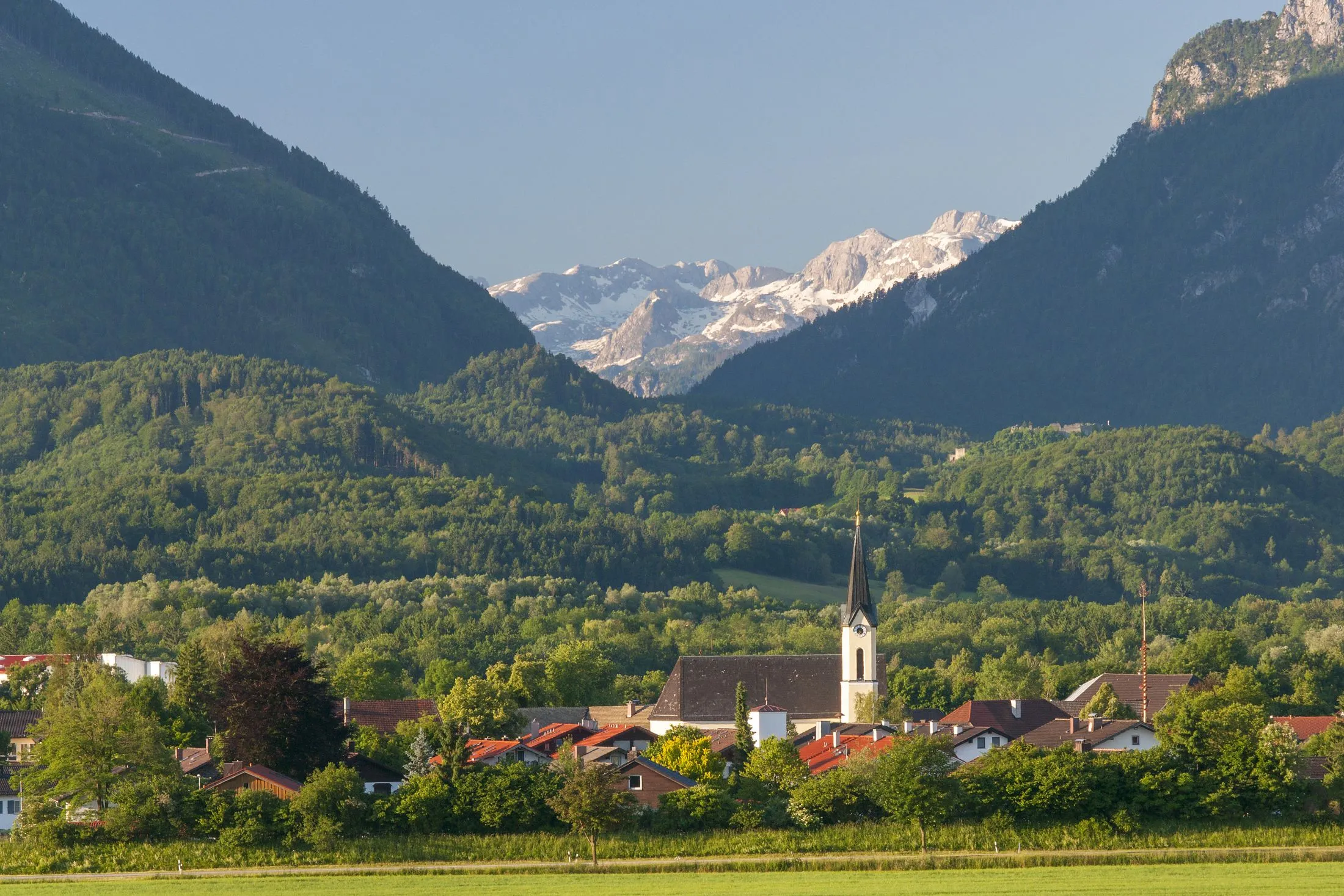
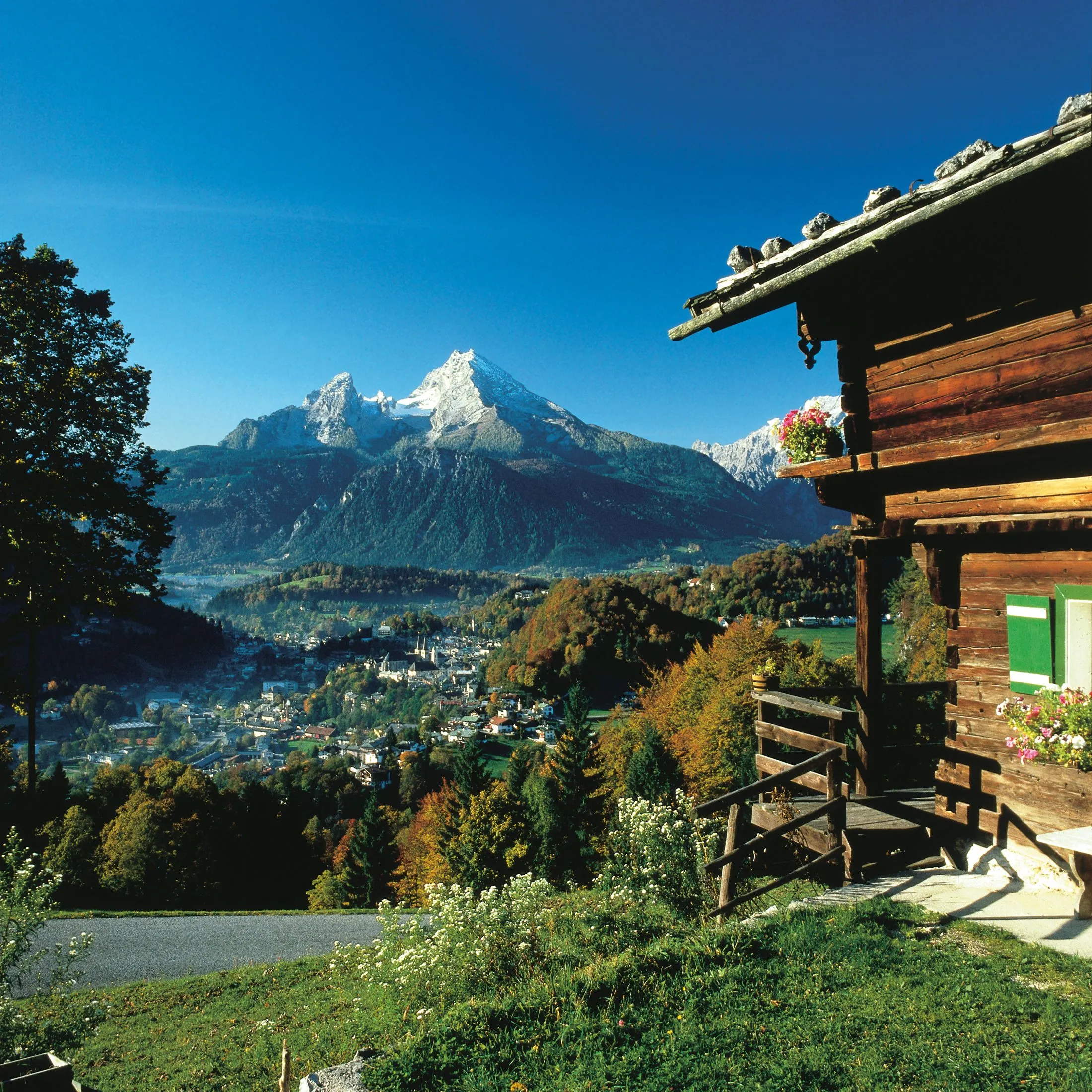
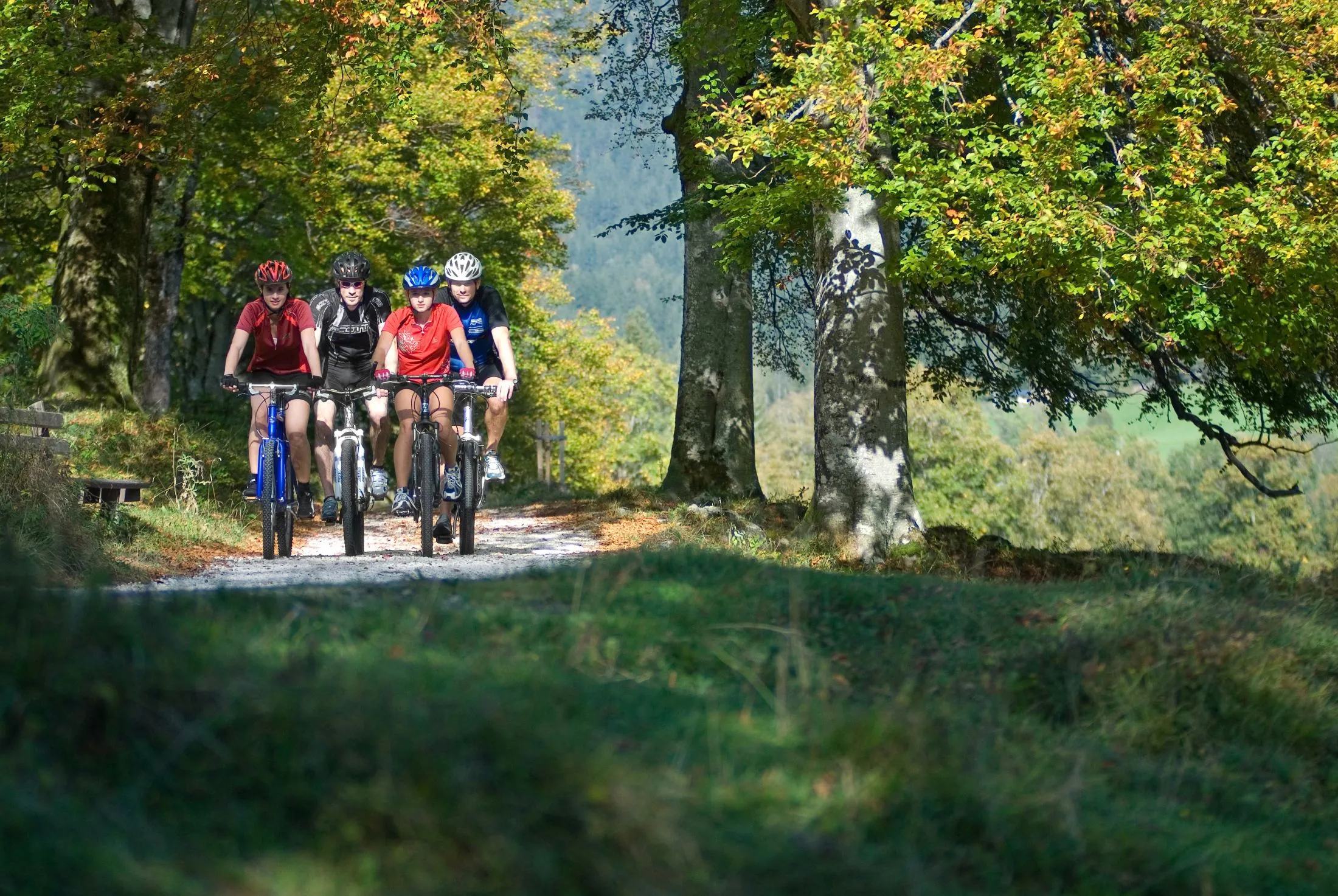
The first section winds through the Rupertiwinkel, a gently rolling landscape with sweeping views of the mountains. From Bad Reichenhall on, the terrain becomes alpine: the route climbs into the Berchtesgadener Valley, and with every kilometer, the Watzmann draws closer.
Places and landmarks: Traunstein, Teisendorf, Lake Höglwörther, Anger, Piding, Bad Reichenhall, Bayerisch Gmain, Bischofswiesen, Berchtesgaden, Schönau am Königssee.
Important for cyclists: On the final stage, the distance and the undulating terrain add up. After the hilly sections of the Rupertiwinkel, the route toward Berchtesgaden becomes more alpine. If you’d like to visit Königssee on the day of arrival, you should set out early or postpone the trip until the following day.
At approximately 63.8 kilometers, Stage 9 is the longest on the bike route. According to the standardized analysis of the Komoot track, there are about 565 meters of elevation gain and 535 meters of elevation loss to tackle. Several longer and shorter climbs toward the end of a multi-day tour will test your stamina once again; you should allow plenty of time, especially in the Berchtesgadener Land region.
Tip for cyclists: If you’d like to explore Bad Reichenhall or Berchtesgaden in depth, you can split this leg of the trip with an overnight stay. It’s a good idea to set aside some time after your day of cycling for a boat ride on Lake Königssee.
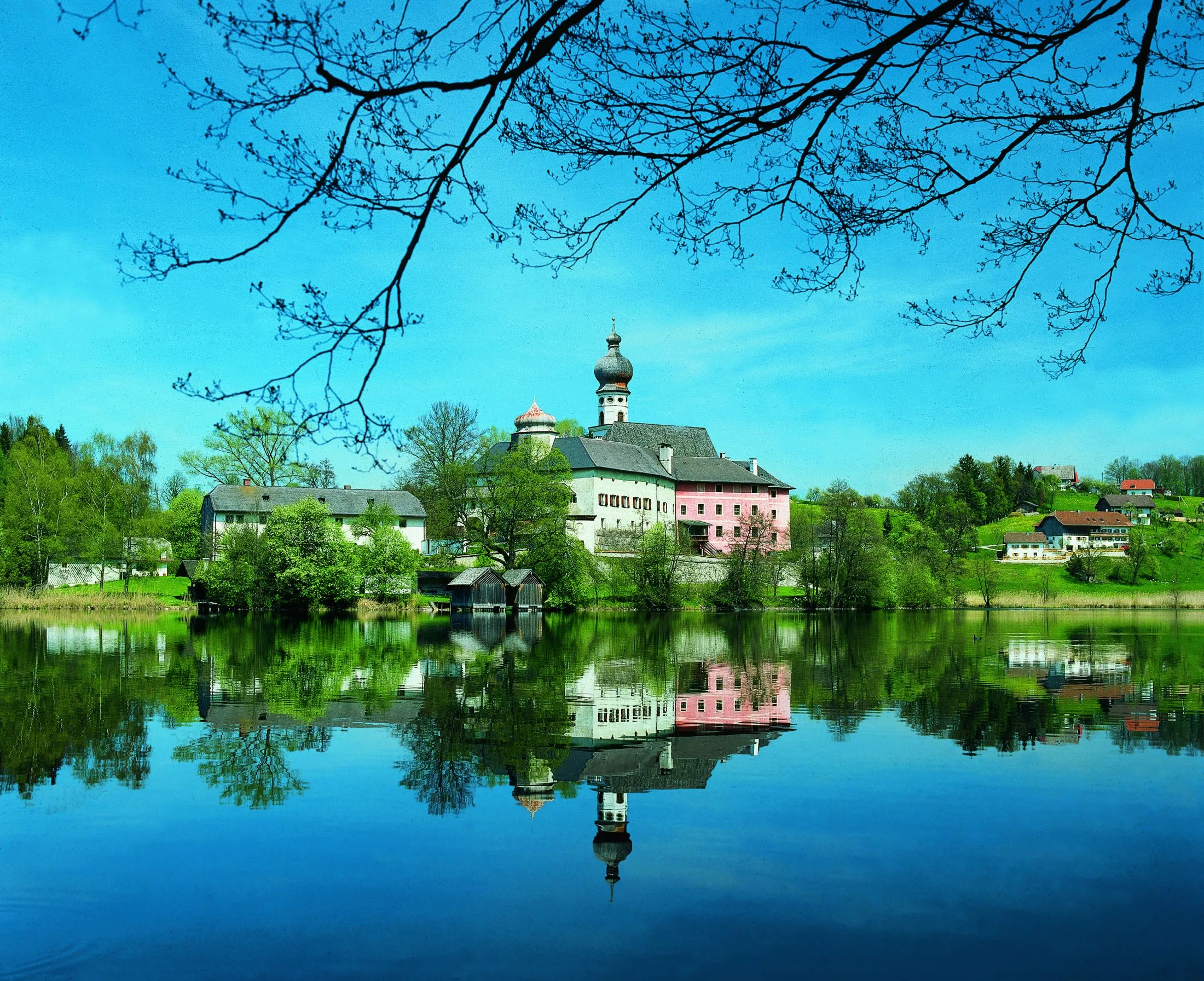
Just past Teisendorf lies Lake Höglwörth, home to the former Höglwörth Monastery. The complex, with its Rococo church, stands on a peninsula in the lake—a scene of great tranquility and one of the most beautiful rest stops along this stage.
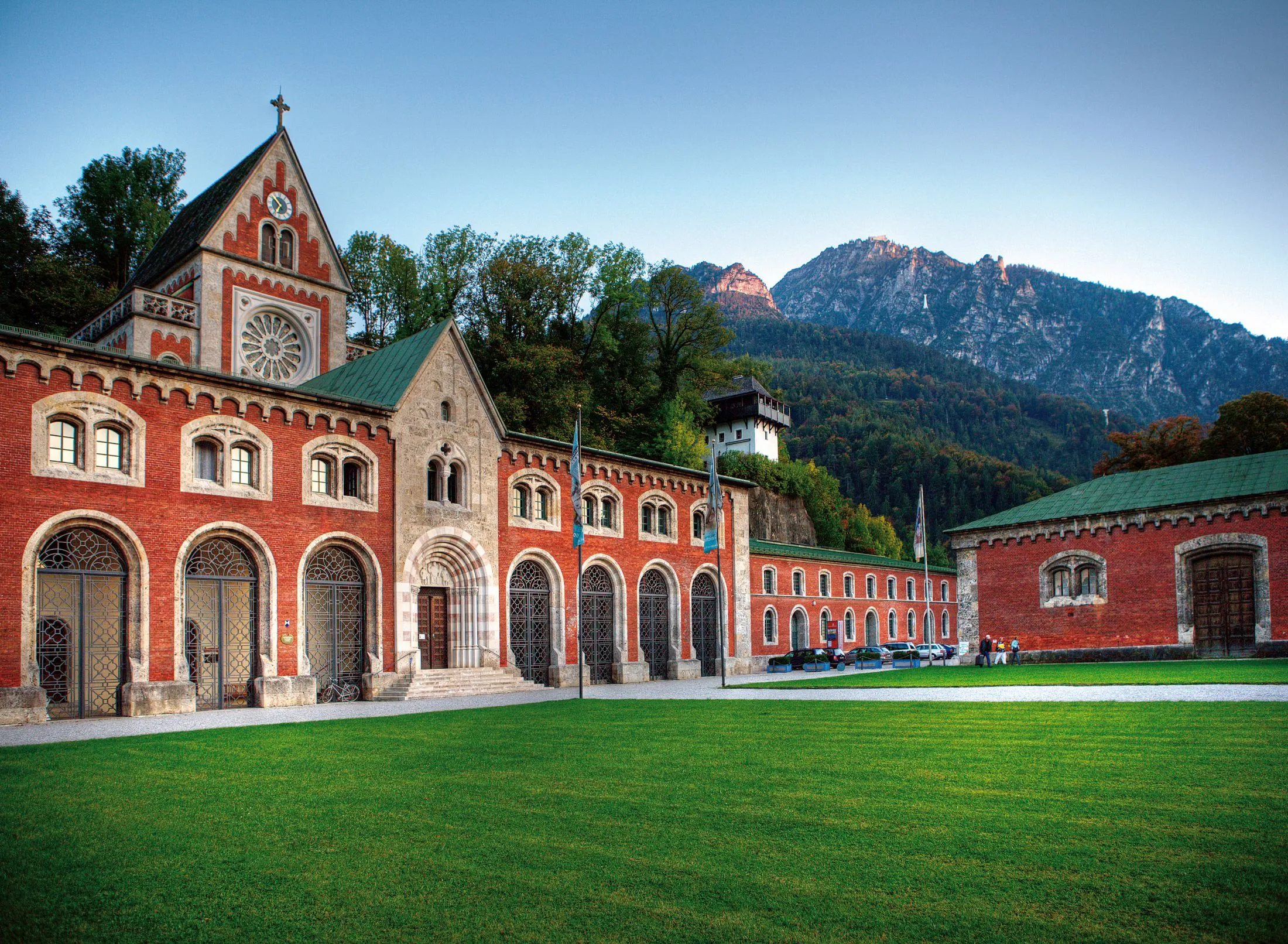
Bad Reichenhall owes its history to salt. The Old Salt Works shows how brine was extracted here over the centuries. In the spa gardens stands the graduation tower, where the salty air invites you to take a deep breath. Those who want to go high up can take the historic Predigtstuhlbahn to the town’s local mountain.
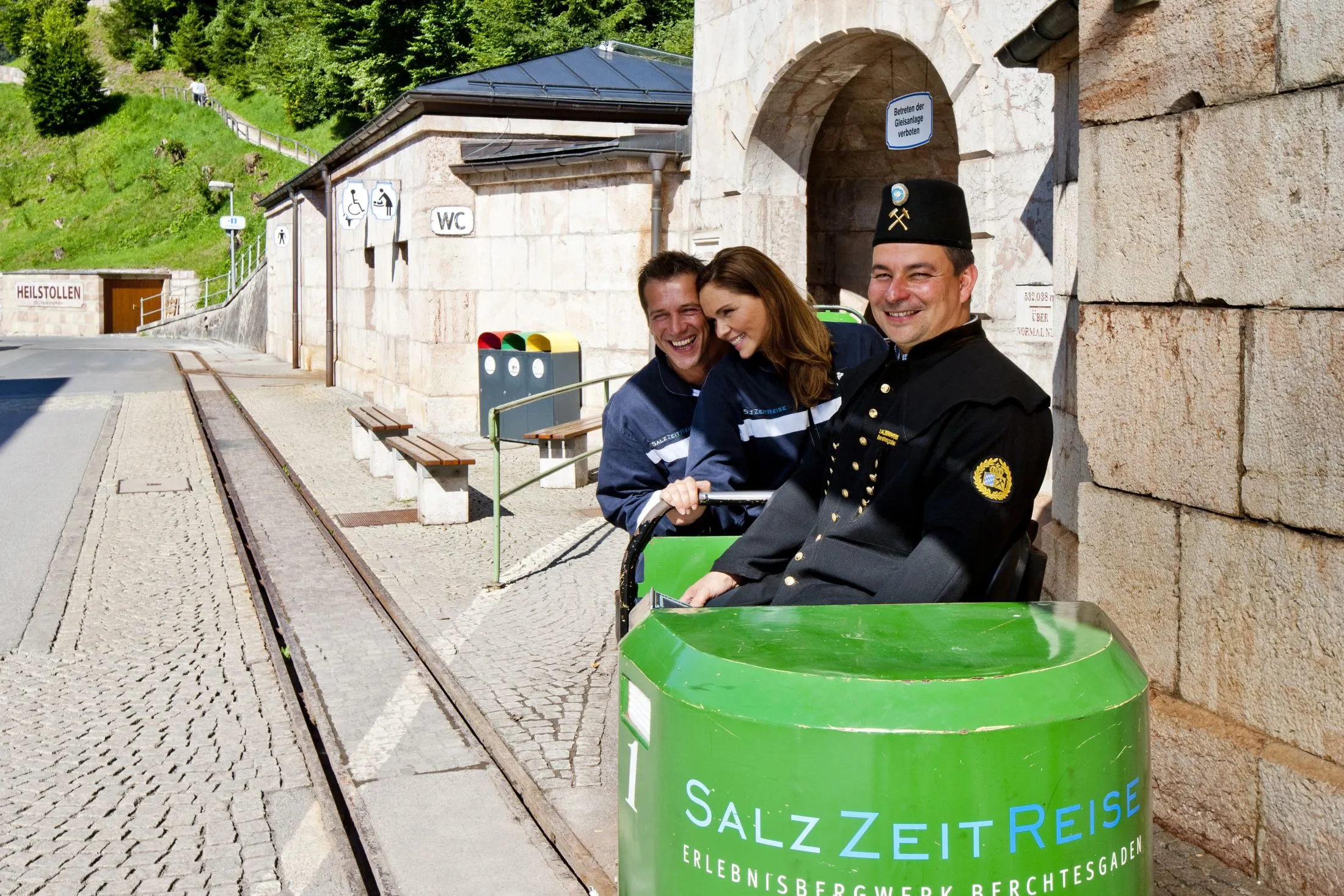
In Berchtesgaden, you can take an underground tour of the salt mine—an adventure for all ages featuring a mine train and slides. The Royal Palace, formerly a monastery, showcases the history of the House of Wittelsbach in the Berchtesgadener Land region. The market town lies at the foot of the Watzmann, whose massif dominates the valley.
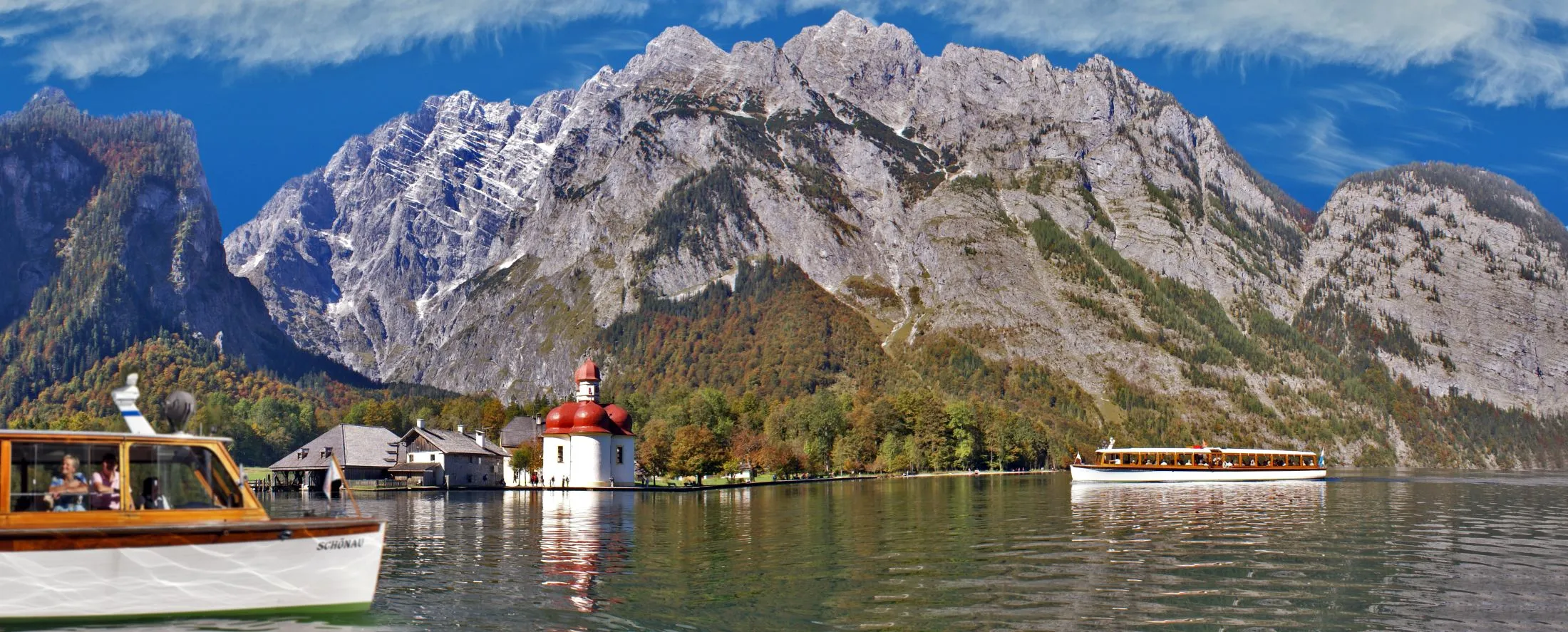
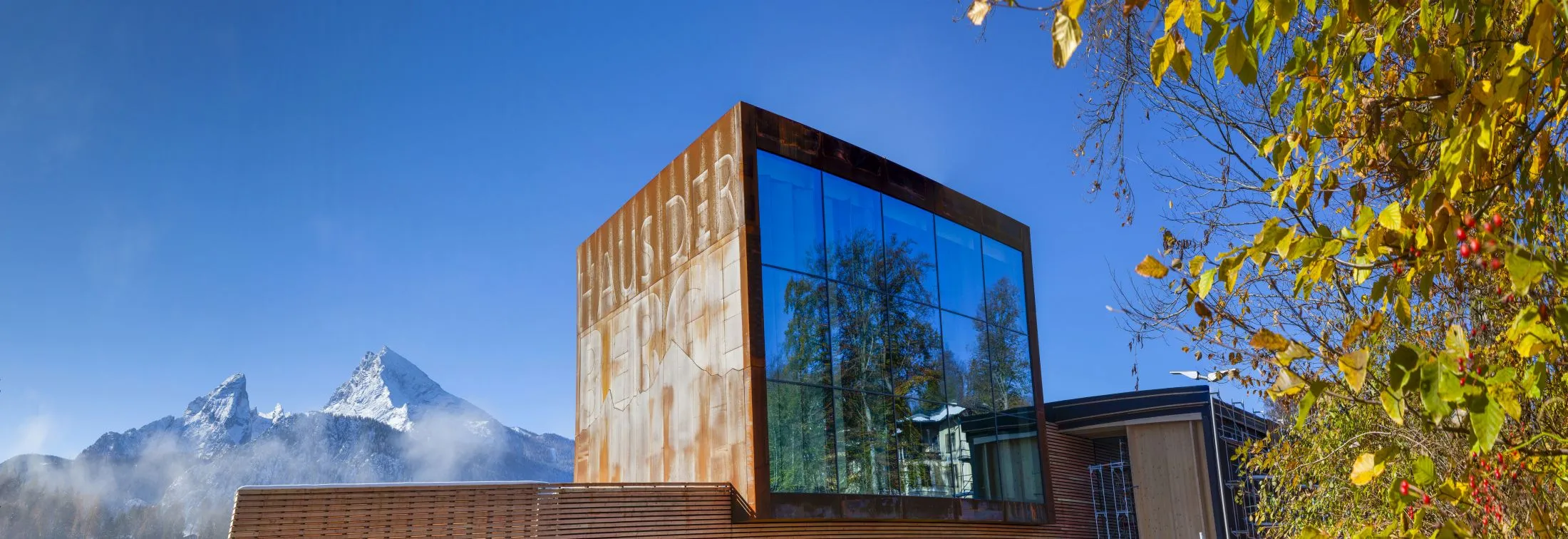
Königssee is located in Berchtesgaden National Park, Germany’s only Alpine national park. For most visitors, the best way to reach the pilgrimage church of St. Bartholomä at the foot of the Watzmann’s east face is by boat; the alpine hiking route is suitable only for experienced hikers. The electric boats glide silently across the clear water, and along the way, the boat captain triggers the famous “trumpet echo” at the Echo Wall. The Haus der Berge National Park Center in Berchtesgaden explains the region’s natural environment and is worth a visit on the day of arrival or the following day.
In the opposite direction, Stage 9 is similarly challenging: 535 meters of elevation gain and 565 meters of elevation loss, with a riding time of about four hours. For anyone cycling the Lake Constance–Königssee Bike Trail from east to west, this is the first stage of the journey.
It’s best to schedule the boat ride to St. Bartholomä for your arrival day so you can start the ride well-rested. From Königssee, the route takes you through Berchtesgaden and Bischofswiesen to Bad Reichenhall, with the Watzmann behind you. From Bad Reichenhall, the route becomes hilly: through the Rupertiwinkel region, past Anger, Lake Höglwörther, and Teisendorf, the climbs add up as you head toward Traunstein. Along the way, the view stretches far into the Alpine foothills, where Lake Chiemsee awaits you in the coming days.
Bergerlebnis Berchtesgaden
Maximilianstraße 9
83471 Berchtesgaden
Tel.: +49 8652 656500
The best time for Stage 9 is from May through October. Königssee gets very crowded in midsummer, but in early summer and in September, it’s quieter and you’ll often have the clearest view of the Watzmann.
Accommodations are available in Teisendorf, Bad Reichenhall, Berchtesgaden, and right at the finish line in Schönau am Königssee. You can find all accommodations along this stage under the “Hotels” tab.
From Königssee, you can reach Berchtesgaden by bike or bus. From there, trains run back via Freilassing; the trip to Lindau takes a good five hours with transfers.
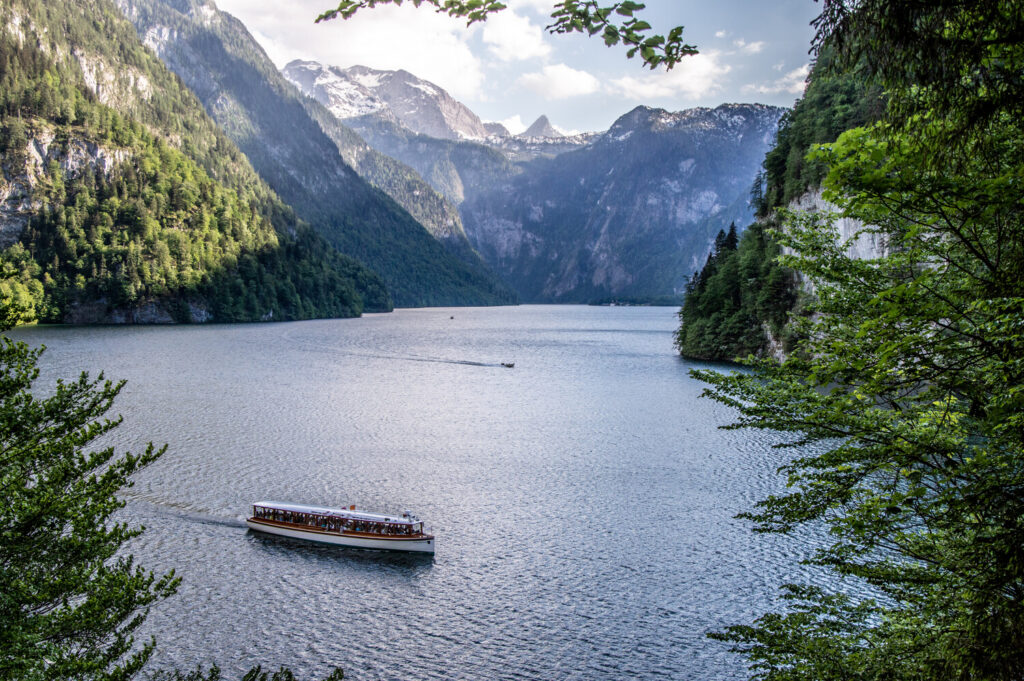
In Schönau am Königssee, the Lake Constance–Königssee Bike Trail reaches its eastern terminus—or marks the start of a journey toward Lake Constance. The deep-green Königssee, the Watzmann, and the mountain scenery of the Berchtesgaden National Park provide a stunning backdrop for your arrival and stay.
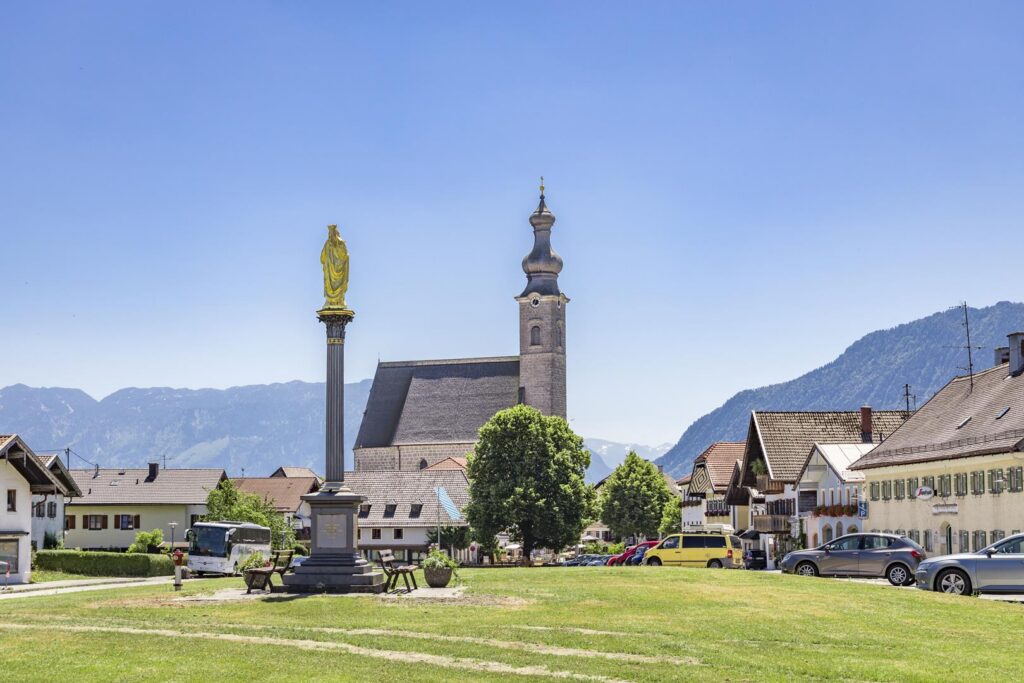
The village square with its gilded Marian column, Lake Höglwörth, and the Höglwörth Monastery give Anger in the Rupertiwinkel its special charm. Located along the Lake Constance–Königssee Bicycle Trail, the village is a peaceful stopover offering sweeping views of the Berchtesgaden Alps.